


When Unit Heaters Need Attention in Commercial Spaces This October in Metro Atlanta
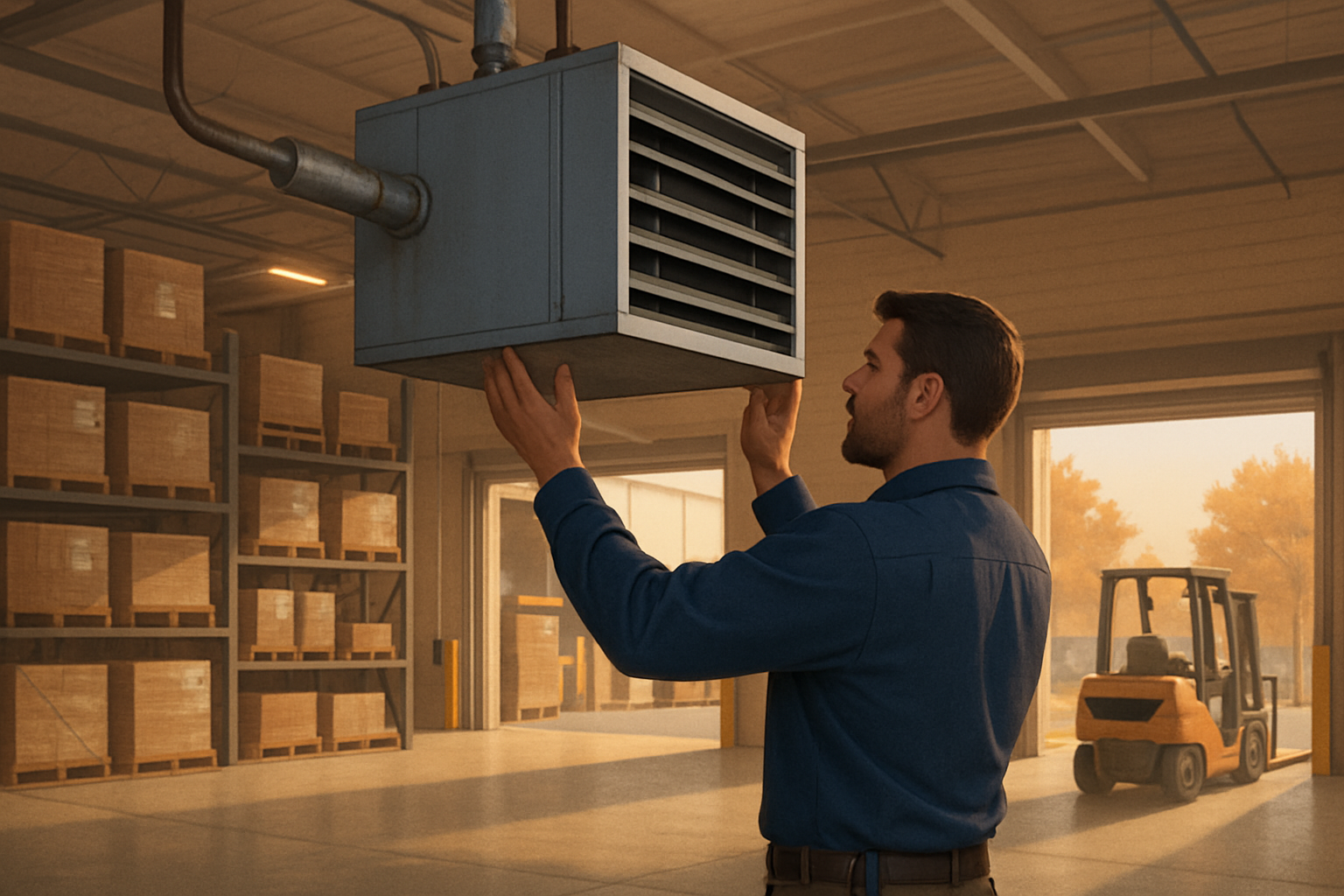
October in Metro Atlanta can be tricky for commercial property owners and facility managers. One week may feel mild and comfortable, while the next brings cool mornings, damp air, and the first real reminder that heating season is right around the corner. For warehouses, auto shops, retail spaces, loading docks, churches, gyms, and industrial buildings, that means one important thing: your unit heaters need to be ready before the colder weather settles in.
At Boiling Point Heating and Cooling, we work with businesses throughout Metro Atlanta that depend on reliable heat to protect employees, customers, inventory, equipment, and productivity. Unit heaters are often tucked high on walls or ceilings, which means they can go unnoticed until something goes wrong. But the best time to catch a problem is before your building is cold and your team is uncomfortable.
Key Takeaways:
- October is the ideal time for Metro Atlanta businesses to inspect and service unit heaters before consistent cold weather arrives.
- Warning signs like unusual noises, delayed ignition, uneven heating, and rising utility bills should be addressed quickly.
- Routine maintenance can help improve safety, reduce downtime, extend equipment life, and support better energy efficiency.
- Boiling Point Heating and Cooling provides local commercial heating expertise with responsive service tailored to Metro Atlanta businesses.
Why October Is the Right Time to Check Commercial Unit Heaters
In Metro Atlanta, October sits in that in-between season where air conditioning may still run in the afternoon, but heat may be needed early in the morning. This swing in temperatures puts commercial HVAC systems in transition mode. For unit heaters, especially gas-fired or electric models that may have been sitting unused for months, that first startup can reveal problems.
Dust accumulation, worn ignition components, loose electrical connections, blocked vents, motor issues, and thermostat problems can all show up once the heating system is called back into service. If these issues are ignored, they can lead to poor performance, safety concerns, higher operating costs, or complete system failure when your business needs heat most.
Scheduling service in October gives you time to handle repairs before colder November and December weather increases demand for commercial heating service. It also helps you avoid emergency calls during peak season when downtime can be more disruptive.
Signs Your Unit Heater Needs Attention
Commercial unit heaters are designed to be tough, but they are not maintenance-free. If you notice any of the following signs, it may be time to call Boiling Point Heating and Cooling for a professional inspection.
- Unusual noises: Rattling, banging, squealing, or grinding can point to loose parts, motor issues, blower problems, or ignition concerns.
- Delayed startup: If the heater struggles to ignite or takes longer than normal to produce warm air, it should be inspected.
- Uneven heating: Cold spots in your warehouse, shop, or workspace may indicate airflow issues, thermostat problems, or improper heater operation.
- Strange odors: A brief dusty smell at first startup can be normal, but persistent burning, gas, or electrical odors require immediate attention.
- Short cycling: If the unit turns on and off frequently, it may be dealing with airflow restrictions, controls issues, or overheating.
- Higher energy bills: A unit heater that is working harder than it should can drive up utility costs without improving comfort.
- Yellow or unstable flame: For gas unit heaters, flame quality can indicate combustion concerns that should be checked by a professional.
Even if your unit heater still “works,” these symptoms are often early warnings. Addressing them promptly can prevent larger repairs and help maintain a safer commercial environment.
Why Unit Heater Maintenance Matters in Commercial Spaces
Unlike residential heating systems, commercial unit heaters often serve large open areas with high ceilings, frequent door openings, and varying occupancy levels. In Metro Atlanta commercial buildings, these systems may be used in spaces like warehouses, repair facilities, distribution centers, manufacturing areas, garden centers, and church multipurpose rooms.
Because these spaces are demanding, maintenance is not just about comfort. It is about protecting your operation.
- Employee comfort and productivity: Cold workspaces can slow down productivity and affect morale, especially in early morning shifts.
- Customer experience: Retail, showroom, gym, restaurant, and service-based commercial spaces need to stay comfortable for visitors.
- Inventory protection: Some products, materials, and equipment are sensitive to cold or moisture changes.
- Safety: Gas-fired equipment should be checked for proper combustion, venting, and operation.
- Reduced downtime: A proactive inspection can catch small issues before they interrupt your business day.
- Longer equipment life: Clean, properly adjusted systems typically experience less strain over time.
“We had Boiling Point Heating and Cooling come out before the first cold snap, and they found an issue with one of our shop heaters before it failed. That saved us from losing heat during our busiest week of the month.”
— Local Metro Atlanta Commercial Client
Common Unit Heater Problems We See in October
After a long Georgia summer, commercial unit heaters can develop issues simply from sitting idle. Dust, humidity, insects, and normal wear can all affect performance. When businesses start testing their heaters in October, a few problems show up more often than others.
One common issue is ignition trouble. Gas unit heaters rely on ignition systems, sensors, valves, and controls that must work together safely. If the unit hesitates, locks out, or fails to ignite, it needs professional attention.
Another frequent issue is weak airflow. A unit heater may be producing heat, but if the fan motor, blower assembly, or airflow path is compromised, that heat will not move effectively through the space. In large commercial areas, weak airflow can create uncomfortable cold zones.
We also see thermostat and control issues. In commercial buildings, thermostats may be located in spots that do not represent the actual temperature of the workspace. Poor placement, wiring problems, or calibration issues can cause heaters to run too much, not enough, or at the wrong times.
Finally, venting and combustion concerns should never be ignored. Any gas-fired heating equipment must be evaluated for safe operation. If you smell gas, suspect carbon monoxide, or notice soot, discoloration, or abnormal flames, turn off the equipment if it is safe to do so and call for service right away.
What a Professional Unit Heater Service Should Include
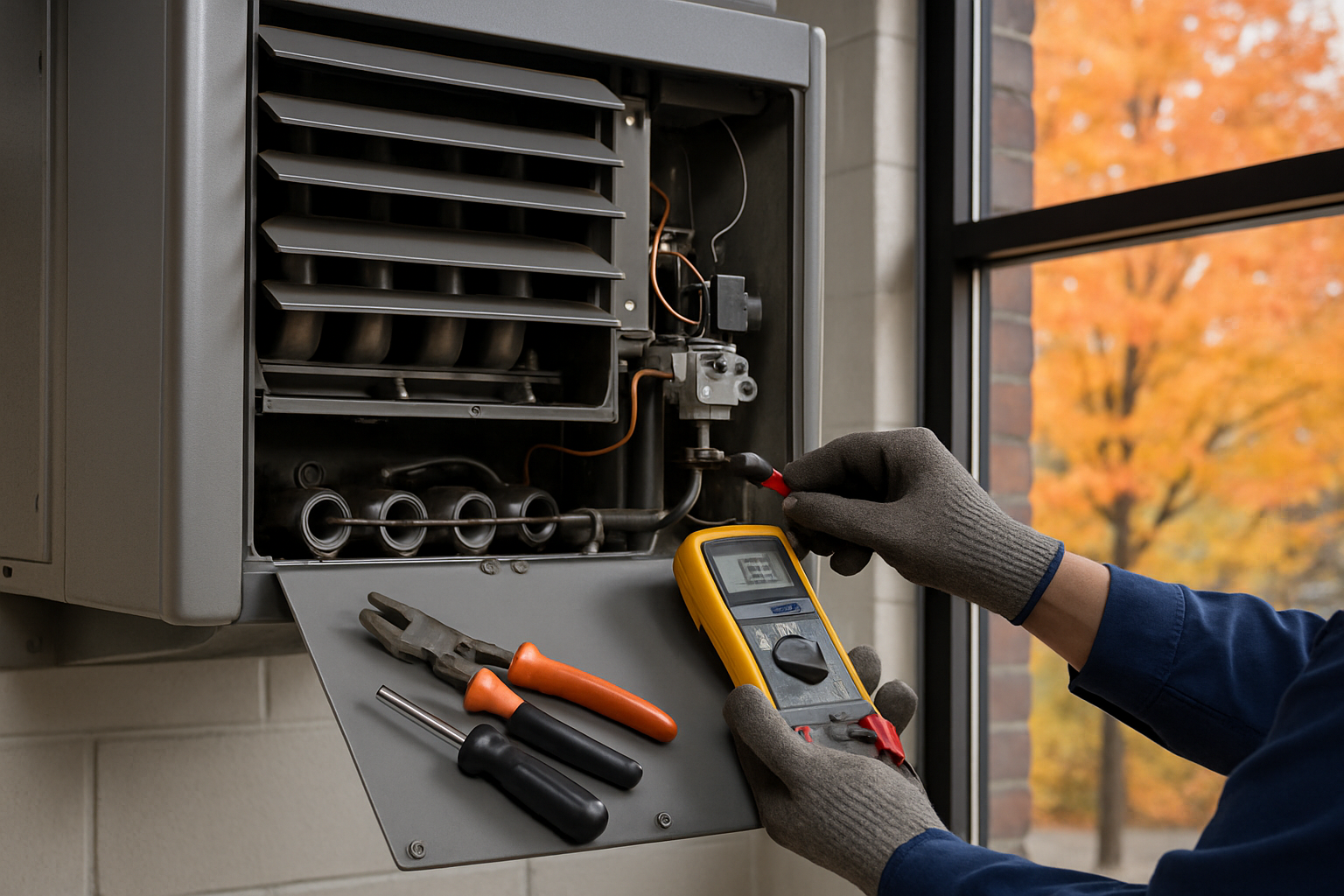
A proper commercial unit heater inspection goes beyond turning the thermostat up and seeing if warm air comes out. At Boiling Point Heating and Cooling, our goal is to help business owners understand the condition of their equipment and make informed decisions.
Depending on the type of unit and site conditions, service may include checking burners, ignition components, flame sensors, gas pressure, electrical connections, fan motors, belts where applicable, safety controls, venting, thermostats, and general unit operation. We also look for signs of wear, overheating, vibration, corrosion, and airflow restriction.
For commercial properties with multiple heaters, we can help identify which units are performing well, which may need repairs, and which may be nearing replacement age. This helps you budget ahead instead of reacting to unexpected failures.
Why Choose Boiling Point Heating and Cooling?
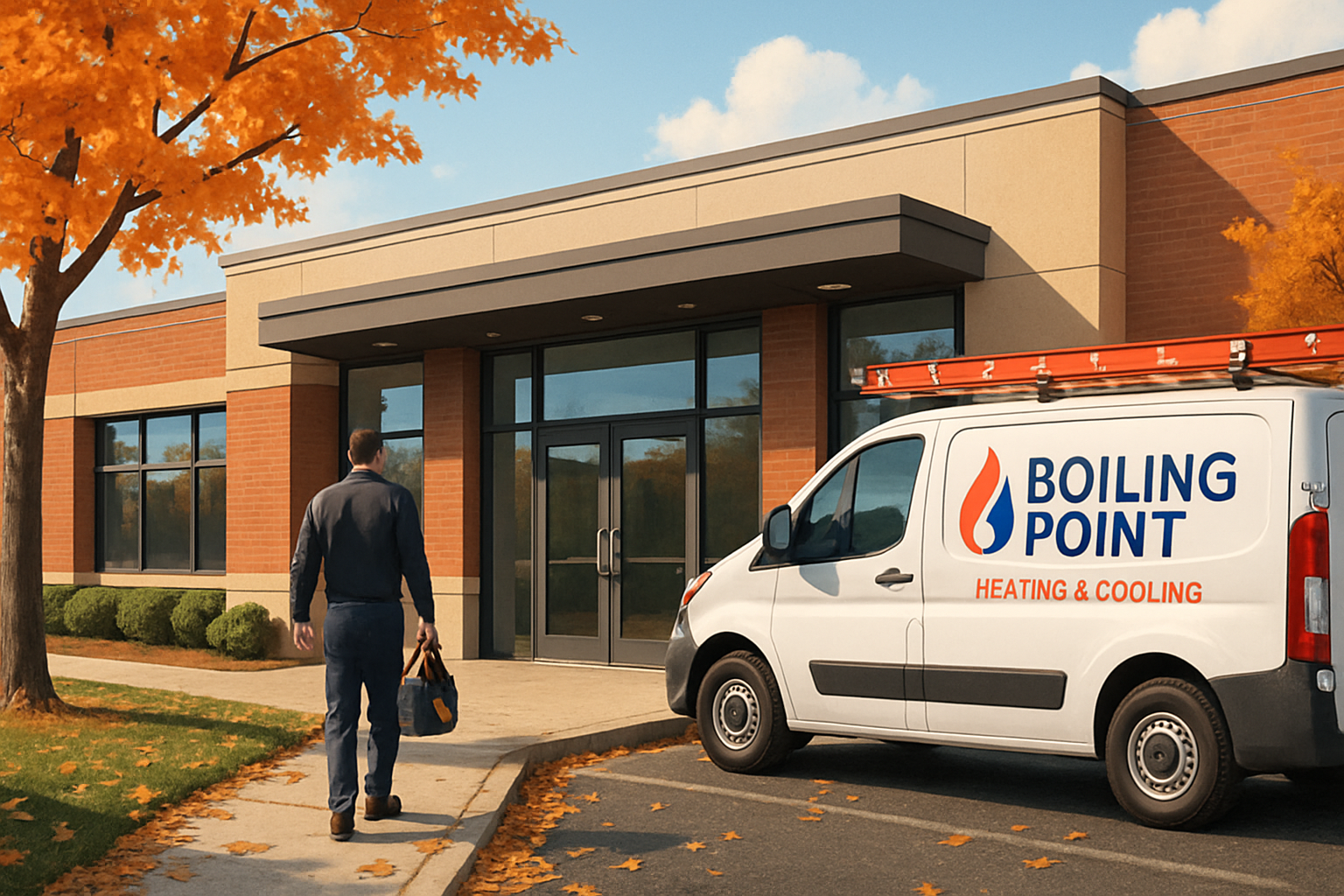
When your commercial heating system needs attention, you need more than a quick fix. You need a local HVAC company that understands the demands of Metro Atlanta buildings, the unpredictability of Georgia weather, and the importance of keeping your business running.
At Boiling Point Heating and Cooling, we take pride in being responsive, honest, and thorough. We know that a heating problem in a commercial space is not just an inconvenience. It can affect your employees, customers, schedule, inventory, and bottom line.
Here is why local businesses choose us:
- Local Metro Atlanta knowledge: We understand the seasonal HVAC challenges businesses face in our area, especially during fall temperature swings.
- Commercial heating experience: We service unit heaters and other commercial HVAC equipment in a range of business settings.
- Clear communication: We explain what we find, what needs attention, and what options make sense for your property.
- Preventive approach: Our goal is to help you avoid emergency breakdowns whenever possible.
- Dependable service: We respect your time, your business operations, and your need for reliable comfort.
Schedule Your October Unit Heater Check Before the Cold Arrives
If your commercial unit heaters have not been inspected yet this season, October is the time to act. Waiting until the first cold snap can leave your business competing for emergency service appointments while your building struggles to stay warm.
Whether you manage a warehouse in Marietta, a shop in Decatur, a commercial space in Alpharetta, a facility in Lawrenceville, or a business anywhere across Metro Atlanta, Boiling Point Heating and Cooling is ready to help. We can inspect your unit heaters, identify concerns, perform needed repairs, and help you prepare for the colder months ahead.
Do not wait for your commercial heater to fail on the first chilly morning. Contact Boiling Point Heating and Cooling today to schedule unit heater service and keep your Metro Atlanta business comfortable, safe, and ready for the season.